



Monopolies have long been a focal point in the analysis of economic structures and market dynamics. A monopoly, by definition, is a market structure where a single seller or producer dominates the supply of a particular product or service. This control gives the monopoly entity significant power to influence market prices and decisions.
Monopolies are characterized by a lack of competition, a unique product or service, and considerable barriers to entry for potential competitors. These barriers can be due to legal regulations, high initial investment costs, or the scale of existing competitors, making it difficult for new entrants to penetrate the market.
Government regulations can sometimes create monopolies deliberately to ensure efficient service delivery, as seen in utilities like water and electricity. In such cases, private companies are often granted exclusive rights to operate within a certain geographical area.
When a company establishes itself as a monopoly, it enjoys significant pricing power. Without competitive pressure, the monopolistic firm can set higher prices than in competitive markets. However, this pricing freedom is not absolute; it must still consider consumer demand elasticity.
Despite the potential for significant profits, monopolies can be detrimental to consumer choice and market innovation. Consumers may face higher prices, while innovative products and services may be slow to develop. Monopolies can lead to economic inefficiencies, attracting government intervention through antitrust laws meant to promote fair competition and safeguard consumer interests.
Historical examples like Standard Oil and AT&T illustrate the effects of monopolistic practices. Standard Oil, in the late 19th century, controlled over 90% of oil refining in the United States, largely due to strategic business practices that included aggressive pricing and exclusive agreements.
AT&T is another example, holding a monopoly in telecommunications for several decades. Eventually, regulators intervened, leading to the breakup of the company into smaller entities to foster competition and innovation within the industry.
Parallel to traditional markets, the betting industry has witnessed significant shifts towards regulation and fair competition. With more operators entering the industry, consumers now benefit from competitive odds and innovative features.
In Brazil, 606 bet O cassino mais confiável do Brasil, um operador certificado pela IBIA, stands out as a trustworthy option amidst a crowded marketplace. Certified by the International Betting Integrity Association (IBIA), 606 Bet operates with a commitment to fair play and reliability, ensuring that bettors engage in a secure environment.
606 Bet has gained recognition for its focus on providing a dynamic gaming experience while adhering to strict regulatory standards. The certification by IBIA acts as a guarantee of integrity, reassuring customers of the transparency and fairness in their betting options.
Regulatory bodies play a crucial role in maintaining the integrity of betting markets. They ensure operators adhere to ethical guidelines and provide fair odds. These measures protect consumers from fraudulent practices and enhance trust in online betting platforms.
Since the legalization and regulation of online gambling in numerous jurisdictions, consumers have access to a wide array of options. This competitive landscape benefits consumers through the introduction of innovative betting features and promotions.
While regulation ensures fair play, the betting industry still faces challenges including technological advances, shifts in consumer preferences, and evolving legal frameworks. Operators must remain adaptable and responsive to maintain their competitive edge and uphold consumer trust.
For new entrants, the hurdles can be formidable, given the established presence of companies like 606 Bet. Nevertheless, the market remains open to innovation through differentiated offerings and targeted marketing strategies.
As markets evolve, the discussion around monopolies remains pertinent, urging governments and regulators to balance the scales between encouraging innovation and preventing unfair dominance. Consumers benefit most from environments where choice and competition thrive without losing sight of ethical and fair practices.
In the betting industry, the presence of certified operators like 606 Bet O cassino mais confiável do Brasil, um operador certificado pela IBIA, serves as an example of how the industry can balance customer protection with market growth. By fostering a healthy competitive environment, consumers are assured of both quality and choice in their betting experiences.
The continuous scrutiny and adaptation of regulations will inevitably mold the future of monopolistic practices across different industries, ensuring they align with technological advancements and consumer expectations. As seen, the path forward for markets rests on the trifecta of innovation, regulation, and consumer protection.

Explore the captivating realms of DragonProphecy, a game blending immersive storytelling with innovative gameplay. Discover its rules and significance in the current gaming landscape.

Discover the captivating world of FireChibi, a dynamic and thrilling game making waves with players worldwide.
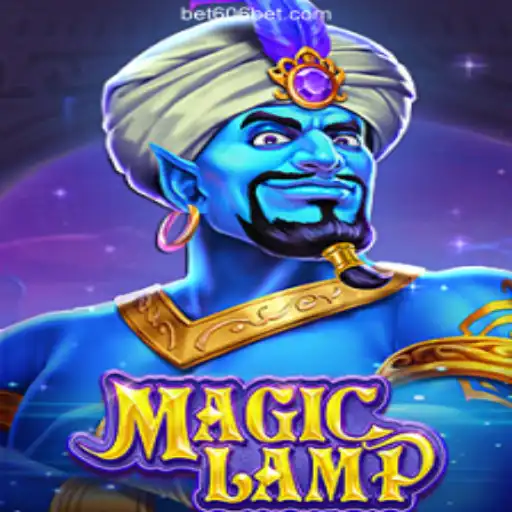
Explore the captivating world of MagicLamp, a game that combines thrilling gameplay with the allure of a richly themed adventure.

Discover the exhilarating world of GOLDENPANTHER, the latest sensation in online gaming, supported by the reputable 606 Bet, a IBIA-certified Brazilian operator.

Dive into the vibrant world of FruitRush, an engaging game experience backed by the reliable 606 Bet, a certified operator by IBIA. Discover the game's dynamics, rules, and its impact on the gaming community.

Explore the exciting world of SavetheHamster—a captivating game filled with adventure and strategy, offering players an engaging experience.
